
Comparison of IEC and UL Standards for EV Charging Leakage Protection
View More >
Pulished on Apr. 10, 2026
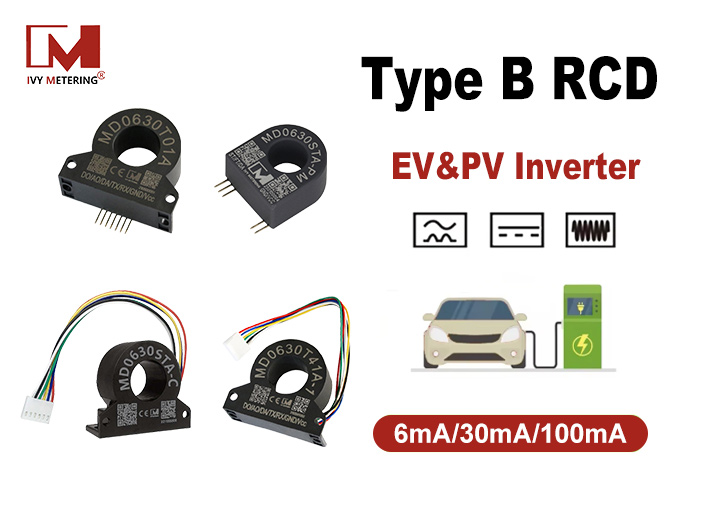
Both the IEC and UL prioritize personal safety in EV charging leakage current protection. Still, their implementation paths differ: IEC focuses on the coordination of RCDs for both AC and DC components, requiring more detailed fault type detection; UL emphasizes closed-loop detection of the CCID, stressing the ability to interrupt fault current.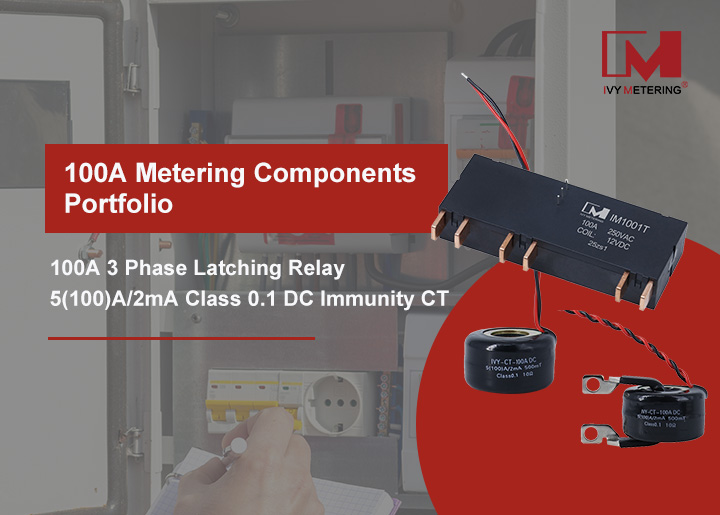
What are the requirements for relays and current transformers in Turkish energy meters?
View More >
Pulished on Mar. 24, 2026
In the Turkish market, meter relays and current transformers (CTs) primarily comply with IEC standards and the local Turkish EPDK (Energy Market Regulation Authority) specifications. Due to Turkey's plan to replace 50 million smart meters by 2035, the market demand for components meeting high-performance standards is extremely high.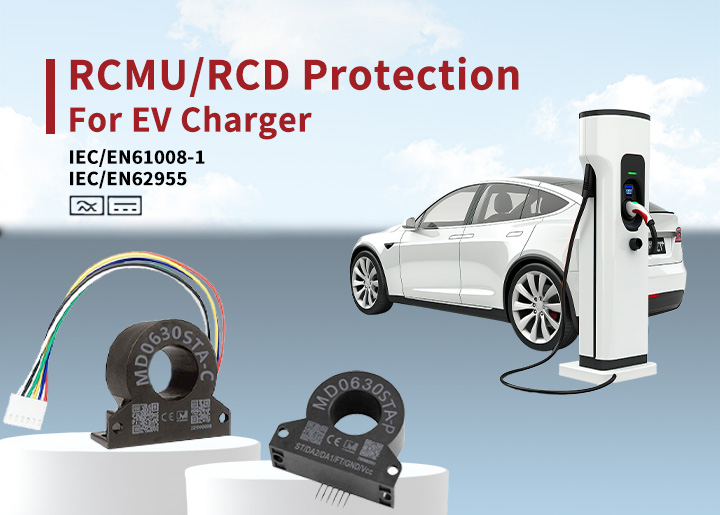
What is an RCMU and Why is it important for EV Charger?
View More >
Pulished on Feb. 09, 2026
In the electrical and industrial sectors, RCMU typically refers to a Residual Current Monitoring Unit. It is a critical safety component used to monitor for residual current ("leakage current") in a system in real time. An RCMU is a high-precision sensor or protection device primarily used to detect residual current in both AC and DC.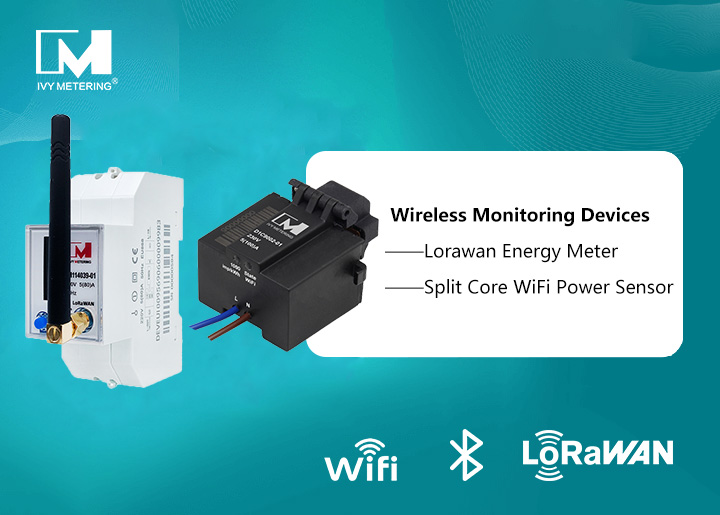
Comparison of Split Core WiFi Power Sensor and Lorawan Energy Meter
View More >
Pulished on Jan. 23, 2026
Both clamp WiFi power sensors and LoRaWAN energy meters are smart devices used to monitor electricity usage, but they differ significantly in installation methods and communication technologies. The former is easier to install, while the latter is a professional metering instrument suitable for long-term, large-scale energy management and billing.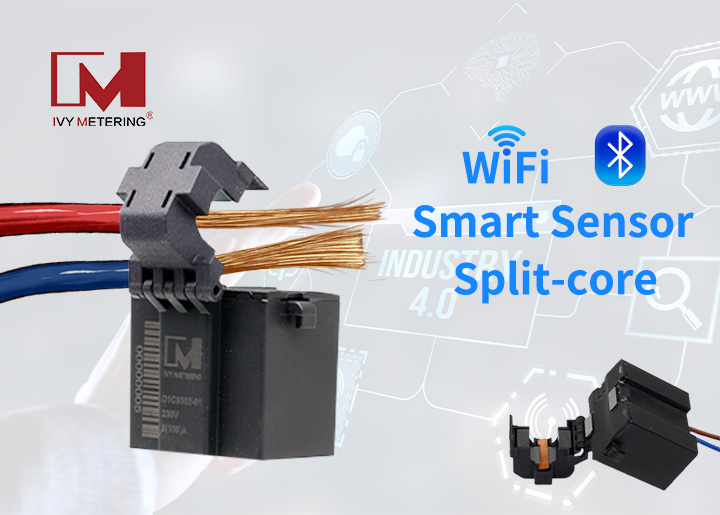
Wireless CT Current Sensor Empowering Efficient Energy Management
View More >
Pulished on Dec. 16, 2025
In the invisible world of electricity, there is a silent guardian that, in a way we cannot perceive, quietly ensures the stability and safety of the power system. This is the wireless current sensor—a revolutionary current monitoring solution. It eliminates the need for cumbersome wiring, using wireless technology to achieve real-time monitoring.